The Colony
The Division of the Colony
The ants were small and insignificant, or so they thought.
The cockroaches marched into the ant colony with force, their hard shells gleaming, their voices booming across the chambers. They stood at the entrance of the great hall and lectured the ants, berating them at every turn, pointing out their flaws, magnifying their differences.
The ants began to turn on one another, questioning, accusing.
As the days came and went, the cockroaches did their part—sowing disillusion, spreading lies, conning the vulnerable with promises of glory. They whispered in corners, shouted in gathering places, always with the same refrain.
Soon ants were fighting for the cockroaches, marching beneath their shadow, yelling, “They will make us great! They understand our struggles! They alone can save us!”
But other ants persisted, seeing through the deception. “They will be our death!” they cried. “Can’t you see? They feed on our division!”
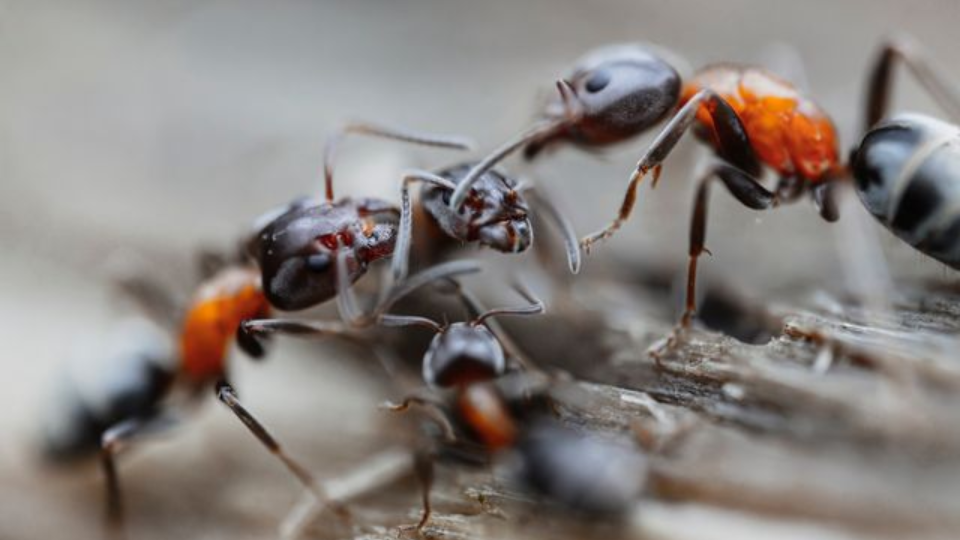
This went on day after day, the colony fracturing like dried earth. Violence grew. Tunnels that once connected became battle lines. Chambers once filled with cooperation echoed with accusations.
The lead cockroach stood tall, his voice dripping with manufactured rage. He yelled and ranted, antennae twitching with theatrical fury. “Those ants are the enemy! They are evil! They want to destroy everything you hold dear!”
And the ants continued to fight—yelling, screaming, being violent to one another. Workers attacked workers. Soldiers forgot their true purpose. The young learned hatred before they learned duty.
Their nest was divided.
And in the deepest chambers, the oldest ants remembered when the nest was more whole—a time when ants disagreed, but did so in a civil manner, when differences were a strength, not a weakness. But their voices were drowned out by the shouting.
The colony was eating itself from within.
And the cockroaches smiled.
If only the ants could awaken from their trance. If only they could see that their true enemy wore a hard shell and spoke with a forked tongue. Working together, they would be unstoppable.
The cockroaches were few; the ants were legion. They had built this colony, carved tunnels through solid earth, survived every threat before. The cockroaches had no such strength—only words, only lies, only the power the ants themselves gave them.
If the workers would recognize each other once more. If they could see that their neighbor—however different—was still an ant, still family, still fighting for the same nest.
Then the cockroaches would scatter. Their reign would end not with violence, but with unity.
The question was: would they wake up in time?