
Veteran for Pride
Veteran Supports Pride Month: Why This Air Force Veteran Stands With the LGBTQ+ Community
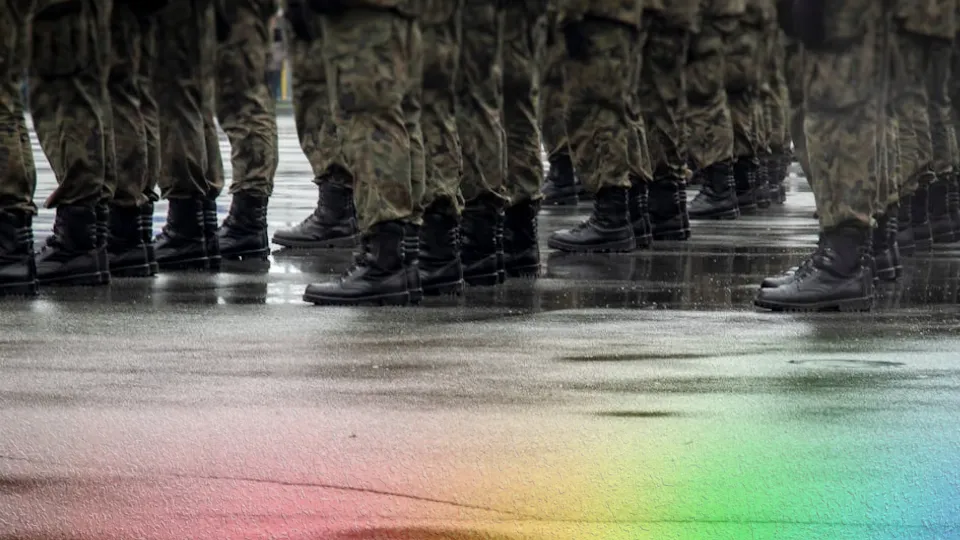
I served four years in the United States Air Force — four months overseas at Prince Sultan Air Base in Saudi Arabia, and time stateside at Malmstrom Air Force Base in Great Falls, Montana. I am white, straight, and male. By most measures, I represent exactly the kind of person you wouldn’t expect to be writing a defense of Pride Month. And maybe that’s exactly why I should.
I’ll be honest: for a long time, Pride didn’t feel like it had anything to do with me. It was something happening over there, in someone else’s world. Not because I had anything against it — I didn’t — but because I’d never been asked to think about it very hard. That’s a privilege I didn’t fully recognize until later. To me, Pride Month was just people being happy to be themselves. It was a “cool, good for them” sort of thought. Warm, but distant.
“Nobody is asking you to change who you are. They are just asking to be allowed to be who they are.”
The Truth
Here’s the truth: when I was serving, I wasn’t thinking about what LGBTQ+ servicemembers were going through. I went about my day, did my job, and it didn’t cross my mind — not because I had a problem with anyone, but because I didn’t have to think about it. Nobody was making my life difficult for who I was. That’s the thing about privilege — it’s invisible when you have it. I wasn’t ignoring anyone’s struggle. I just couldn’t see it from where I was standing.
It wasn’t until later, looking back, that I understood what Don’t Ask, Don’t Tell really meant for the people serving alongside me. Gay and lesbian servicemembers carried a burden I never had to carry — not one related to their skill, their courage, or their commitment. Just the exhausting, daily weight of having to hide who they were from the people they trusted most. That’s not something I ever had to do. And the fact that they did, quietly, while serving just as hard as anyone else, says everything about their character.
That never sat right with me. You don’t get to ask someone to serve their country — to deploy overseas, to pull long shifts in the Montana cold, to be far from everyone they love — and then tell them they’re not quite welcome in it.
What It Really Means
Pride Month, at its core, is a commemoration. It marks the anniversary of the Stonewall uprising in 1969, when LGBTQ+ Americans — many of them black and brown trans women — fought back against police raids that had criminalized their very existence. They weren’t asking for special treatment. They were asking to be left alone. To live without fear. To love who they love.
I’ve heard people say they don’t want politics in their sports, their workplaces, their lives. I understand the fatigue. But I’d push back on the premise; who you love is not politics. It never was. Calling it political is itself a choice — a way of treating someone’s basic humanity as a debate topic. When someone says they don’t want Pride “pushed on them,” what I hear underneath that is: “I haven’t taken the time to understand people who are different from me, and that difference makes me uncomfortable.” That discomfort is real. But that is something you can change. Nobody is asking you to march in a parade. They’re just asking you to share a world.
And then there’s the argument that really gets under my skin. “Why is there a Pride Month? What about a Veterans Month?” As a veteran, let me answer that. Veterans already have two months — November and May. Memorial Day, also in May, Armed Forces Day, and a full calendar of holidays and observances are all dedicated to honoring those who served. Here is a list of all the veteran holidays and observances for you. You would know that if you actually celebrated veterans. But many of the people making this argument don’t care about veterans. They care about using veterans as a rhetorical shield to push another group of people down. If you genuinely honored veterans, you would know those holidays and observances exist. The fact that you don’t tells me everything.
“When a small group of people ask only to exist openly, the discomfort belongs to those watching — not to them.”
Where I Stand
Roughly 7 to 9 percent of the worldwide population identifies as LGBTQ+. That’s not a fringe. That’s hundreds of millions of people — and every one of them is someone’s family member, co-worker, neighbor, or friend. They aren’t asking anyone else to change their values, their faith, or their lives. They’re asking to hold a hand in public. To not be fired for who they are. To have their family recognized. To not be bullied in school until they see no way out.
Those aren’t radical demands. They’re human ones.
I think about the kid graduating high school who is figuring out who they are while also figuring out if they’re brave enough to serve in the military. I think about the person in a small town who sees a Pride flag in a storefront window and, for the first time, feels like maybe the world has room for them. That flag isn’t attacking anyone. It’s a lifeline. It lets other people know they are not alone in this world — that there are people willing to fight for their safety, their belonging, and their right to exist. I am one of those people.
I spent four years in uniform defending the idea that Americans get to be free. Pride Month is part of that freedom. It always has been. It always will be.
To those of you who find it necessary to demean and exclude people for simply wanting to exist — my advice is straightforward: grow up. Life is too short, and too precious, to spend it making someone else’s smaller.
Do better. You can start now by visiting the sites below and learning more about some of your fellow humans. Let’s share this planet together!
If you’re an #ally drop a comment below to show your support!
Want to Learn More?
If this post made you curious, here are three welcoming, no-judgment resources to help you better understand the LGBTQ+ community.
Human Rights Campaign — Being an LGBTQ+ AllyA beginner-friendly guide built to answer your questions and help you find ways to show support, wherever you’re starting from.
The Trevor Project — Resource CenterResources focused on LGBTQ+ young people — understanding identities, mental health, and how to support the young people in your life.
PFLAG — The original family and ally support organization, founded by a mother who marched in support of her gay son. Warm, practical, and built for people who are just starting to learn.
I stumbled upon you in the comments section of a Supernatural fan page on Facebook.
I am a female Marine Vet (1987-1990) who married a Marine (1987-1999). We have a pan daughter.
I really never thought of Don’t Ask Don’t Tell, until this moment.
I want to say that I am very happy that I found you and read this great blog.
Thank you so much for finding your way here and for taking the time to read and comment — it truly means the world to me. One Marine veteran to one Air Force veteran, I want you to know that your daughter is lucky to have a mother who is open enough to reflect on things like Don’t Ask Don’t Tell. That kind of love and openness is exactly what she needs. Your family sounds amazing and I fully support all of you. Happy Pride Month to you, your husband and your daughter. 🌈